

Somewhere Between the Pyramid and My Heartbeat
Essay notes on pleasure, ancestry, solidarity, and what it means to be held


Tsehaitu called me in.
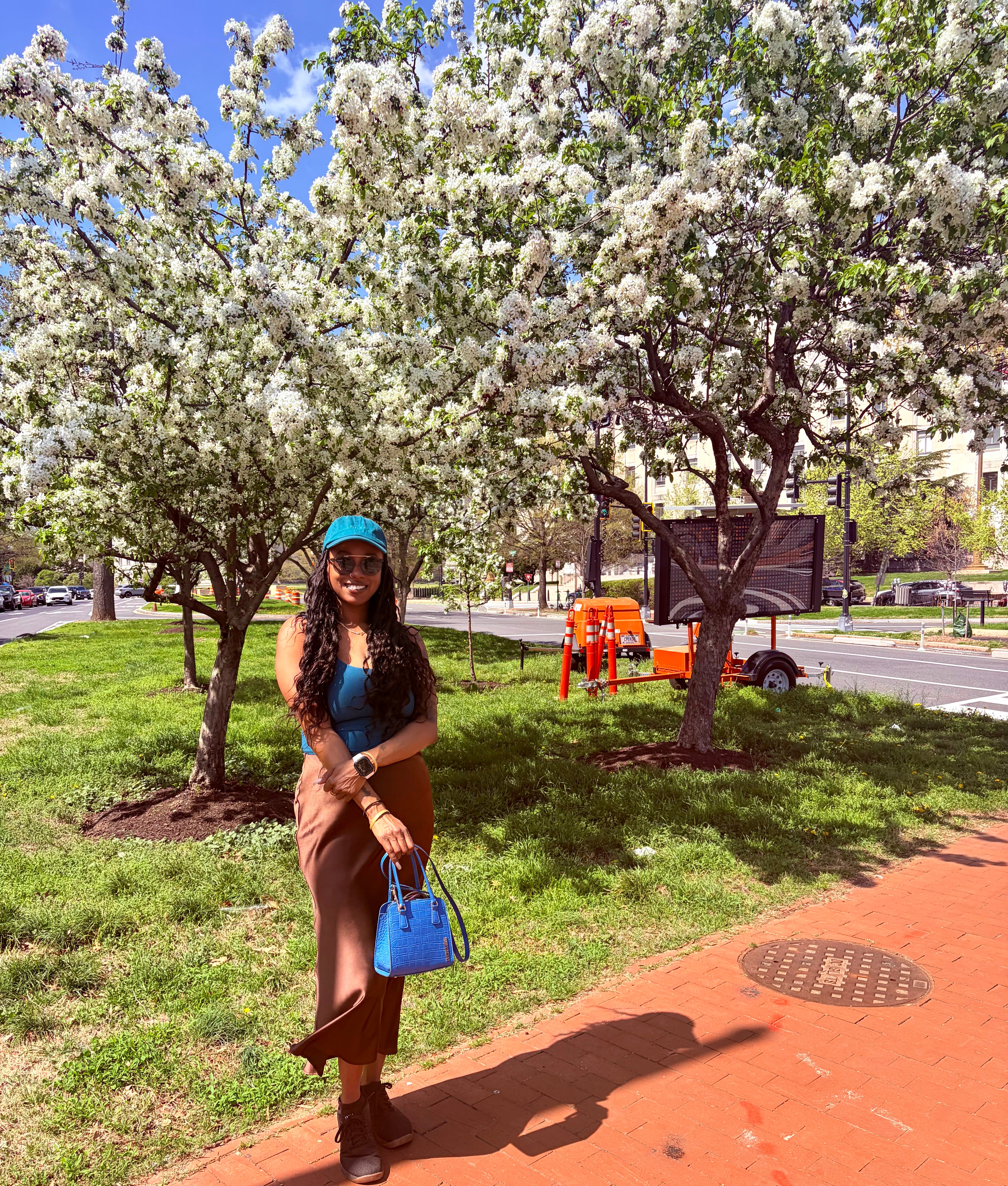
She is an Ethiopian American, smoky, coco brown skinned, brilliant, radical woman who has been doing diasporic Africanist work with immigrant communities in Philadelphia and far beyond with the kind of quiet rigor that never gets enough flowers. She got a call from the ACLU. Organizers needed on the ground in Washington, DC. The birthright citizenship hearings were happening, it’s the first time a sitting president would appear before such a proceeding. Tsehaitu was already in that fight, already in that work the way she always is: fully, without performance, with her whole person. She called me less than a week after we had already been in conversation about the moment, about what it was asking of people like us.
I asked my ancestors if I could go. They said yes.
That is not a metaphor. That is not poetic language standing in for something more rational. That is how I endeavor to move in my life: in consultation, in co-conspiracy with the divine, with my quadro espiritual, trusting that when the doors open, the timing aligns, and someone you love extends their hand, something larger than coincidence is operating. So I packed my bag and said yes to DC. Tsehaitu had organized my transportation and I was to be picked up early that morning before sunset to arrive in the nation’s capital at 9 o’clock. After sleeping my way down the interstate, I arrived in a city breathing through a question that is, at its root, a very old Black question: who gets to belong here, and who decides?
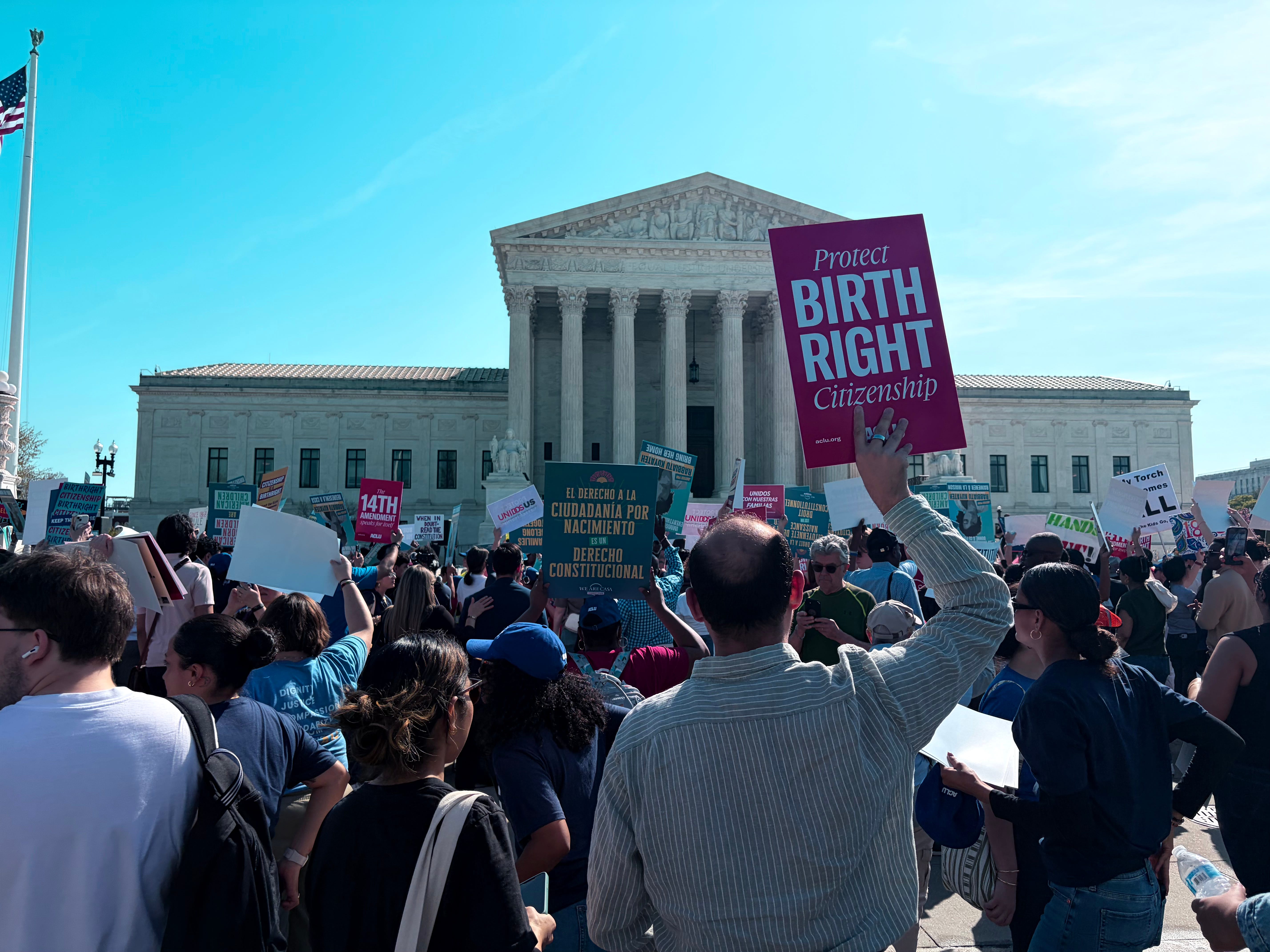
Wednesday we were in the streets. Tsehaitu was accompanied by a Diasporic crew. I want to name why that specificity matters, because there are Black Americans who read the words birthright citizenship and feel the distance between that fight and their own. I want to close that distance.
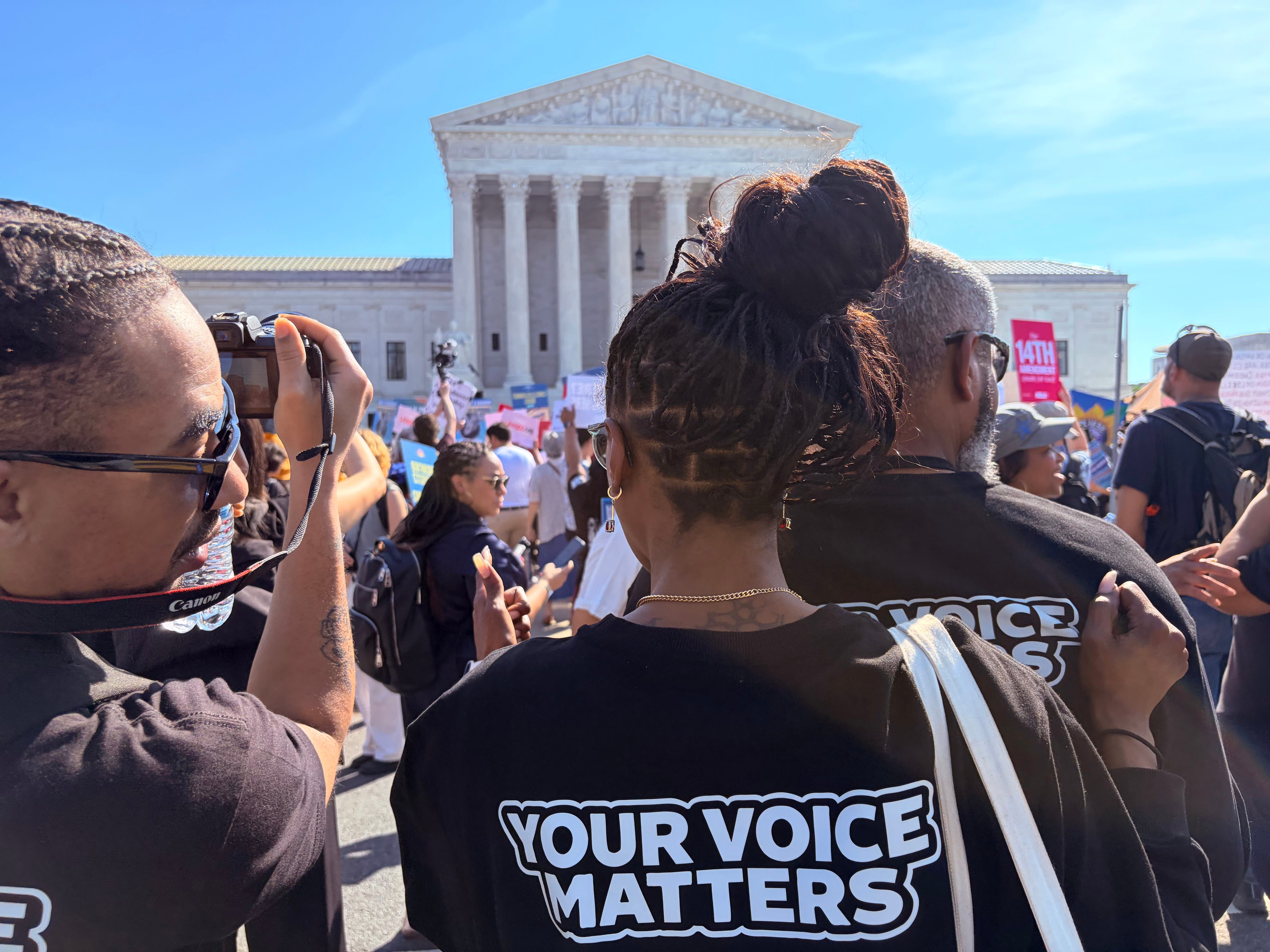
Before birthright citizenship was anyone else’s protection, it was ours as African Americans. The Fourteenth Amendment, the very clause now under assault, was born directly from the aftermath of enslavement, a legal mandate wrested from a country that had to be compelled to acknowledge that Black people born on this soil were human beings with rights. We are not adjacent to this history. We are this history. Our bodies, stories, and histories are at the foundation of that law.
And yet full citizenship, the kind that means your life is protected by the state, your community is resourced, your personhood is legible to the institutions that govern you, has remained perpetually deferred for Black Americans regardless of that amendment. We have organized and bled and litigated for what was already owed. Philosopher Frank Wilderson names it plainly: gratuitous violence, harm that requires no justification beyond the fact of Blackness itself. The law has never been a sufficient answer to that. It was never designed to be.
So when this administration moves to dismantle birthright citizenship, it is not moving against a different community than ours. It is rehearsing the same logic that has always tried to render Black people excludable, disposable, rightlessness. One group’s dispossession does not protect another group’s rights, it builds the architecture for their removal. It normalizes the logic that will eventually come for all of us who have never been fully welcomed inside the idea of American belonging.
This is where I have to say a hard thing because I love Black people and refuse to flatten that love into a romance we haven’t fully earned: there is anti-Blackness operating between us. Black Americans who look at Black immigrants, Caribbean, African, Afro-Latinx/e people, and see foreigners instead of kinfolk. Black immigrants who dismiss, deny, and denigrate African American histories and culture while simultaneously moving through a world shaped and opened by them, especially in this globalized social terrain we all inhabit. There are hierarchies among us built from colonial logic designed specifically to fragment us: by proximity to Africa, to enslavement, to nation, to gender, sexuality, class, to citizenship status itself. These divisions did not emerge organically. They were cultivated. They were useful to people who benefit from our inability to recognize each other across the lines drawn between us. And in a moment when the state is actively working to render some of us stateless, we cannot afford the luxury of that fragmentation. We cannot let colonial arithmetic convince us that someone else’s rightlessness is not our call, our emergency, our issue.
Tsehaitu navigates this daily. She is an Ethiopian American Black woman whose ancestral lineages move through both US chattel enslavement and Ethiopia, the only African nation never fully colonized by European powers. Those diasporic histories do not sit quietly behind her. They live and move and course through her personhood. Her body is the archive. Her body is the text. She moves through American anti-Blackness and through the specific texture of being perceived as foreign even within certain Black spaces. The raised eyebrow, the subtle othering, the hierarchy that places certain Blacknesses above, below, against others. She does this work anyway. Extends her hand across those constructed divides anyway. She experiences tremendous misogynoir for being as knowledgeable and radical and confident and beautiful as she is, and she does not shrink. I love to be in her presence. I love to hold space for all that she is.
Being in that street on Wednesday and standing in solidarity with her and our comrades, using my body and my voice to say this is also my fight, was not charity. It was a memory. It was a return to something I had been away from too long.
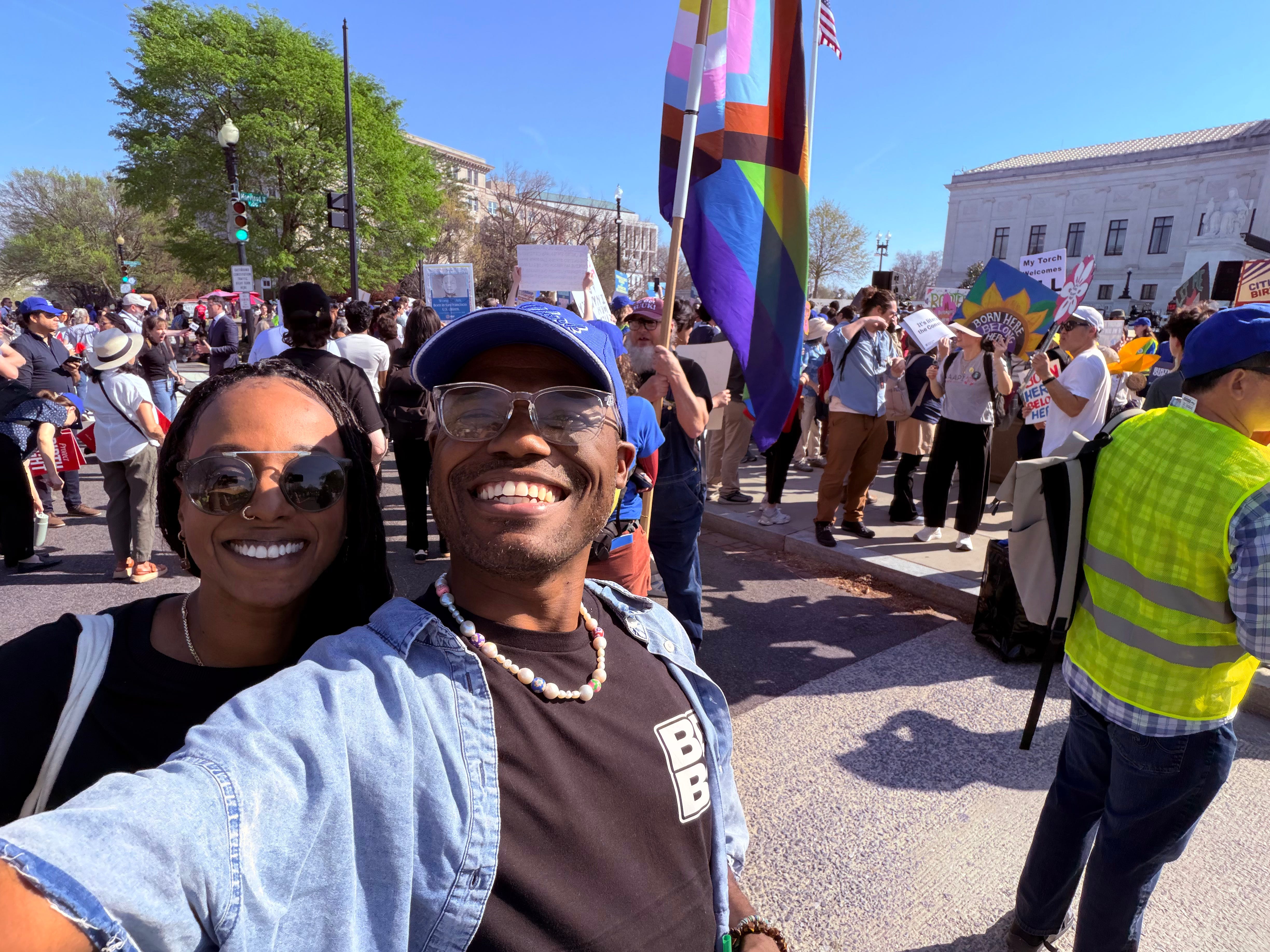
I was compensated for that work. I name that without apology because Black organizers deserve to be sustained and compensation is its own form of dignity. And after the work was done the city was still there, open and warm and full of itself, and I let it have me through the days that followed.
Friday evening the city gave me something I did not plan for.
I spent hours, from evening stretching into morning, with a Black queer femme scholar who was, honey, fine. Brilliant, tender, fully present, dark and beautiful in ways that made me go quiet inside. I want to be specific about what that encounter held, because it was not incidental. As a dark-skinned Black (a)genderqueer non-binary person, moving through the world in this body, this skin, this particular and specific presentation, to be with someone who looked at all of me and was genuinely moved, genuinely there... That is healing. Not a small one.
We live in a world that teaches us, even within our own communities, to measure desirability against proximity to whiteness, to thinness, to a certain legibility. When someone meets you exactly where you are: no negotiation, no hierarchy, no quiet withholding, and says yes, this, you, it lands somewhere beneath language. Somewhere that needed landing.
We talked the way scholars talk when they trust each other. We laughed. We were curious about each other’s work and worlds and ways of thinking. We were present together in a way that felt (I keep returning to this word because nothing else is accurate) held. Not performed, not rushed, not extracted. Something almost sacramental in the quality of the attention we gave each other. I surprised myself that night. Did things I didn’t know I would do. Felt things I didn’t know I needed to feel. And in the morning I was just quiet with gratitude, the full body, from the pyramid to the beat of my heart kind.
I have been sitting with honest questions lately about my relationship to desire. About the colonial pornotropic* gaze taking a subtle rise within me. About the ways appetite can move faster than presence, the ways we learn to consume those we desire rather than truly experience them. This is a habit shaped, I think, by a world that taught all of us to approach what we want through extractive logic. I am not exempt from that examination. But that Friday was not consumption. That was two people being genuinely available to each other, learning from each other, present with each other across hours that felt like their own world. I want to give myself the grace of knowing the difference, of knowing I am capable of the difference, because I showed up for it, fully, and that matters more than the questions.
By Saturday afternoon I had found a bench, the sun had found me, and I felt cunt.
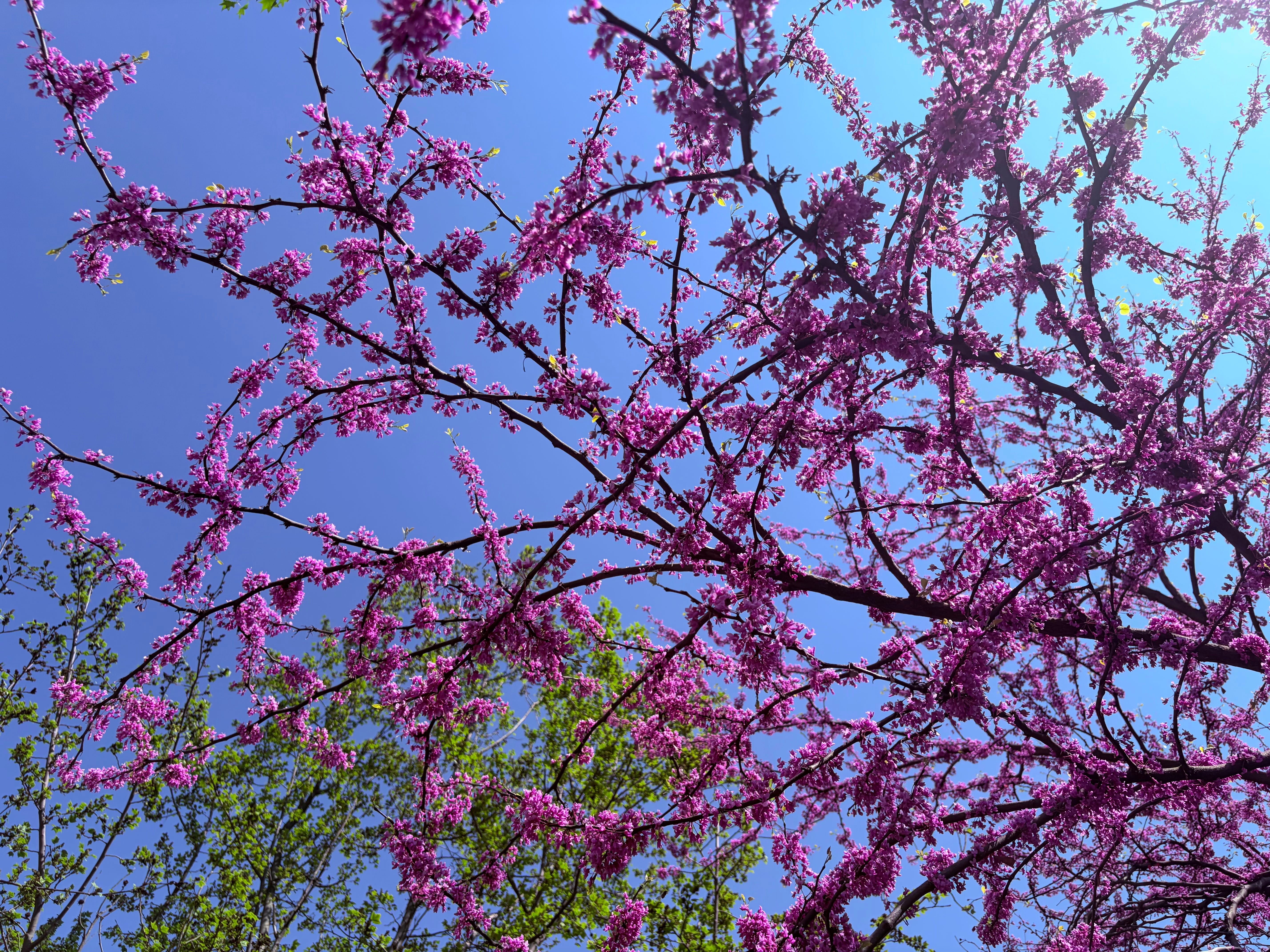
Stunty, CUNTY.
Not in the watered-down way that word circulates now. In the old way. In the I-have-arrived-fully-inside-my-own-body way. Eighty-something degrees. Trees around me. A J in my hand. And Black people, niggas, heavy and present and beautiful, moving through the space like they own it, because they do, because we do, even when every structure around us keeps trying to say otherwise.
I was being loved on by the butch queens pushing through all of DC, the femme queens I met at the hotel and around the neighborhood, the studs with their ladies, and the hard working hood boys with tattoos on their faces. I saw the babies, the elders, the kids hanging out after school. I saw it all. I saw us all up and through “NOMA”, the gentrified neighborhood I was staying in.
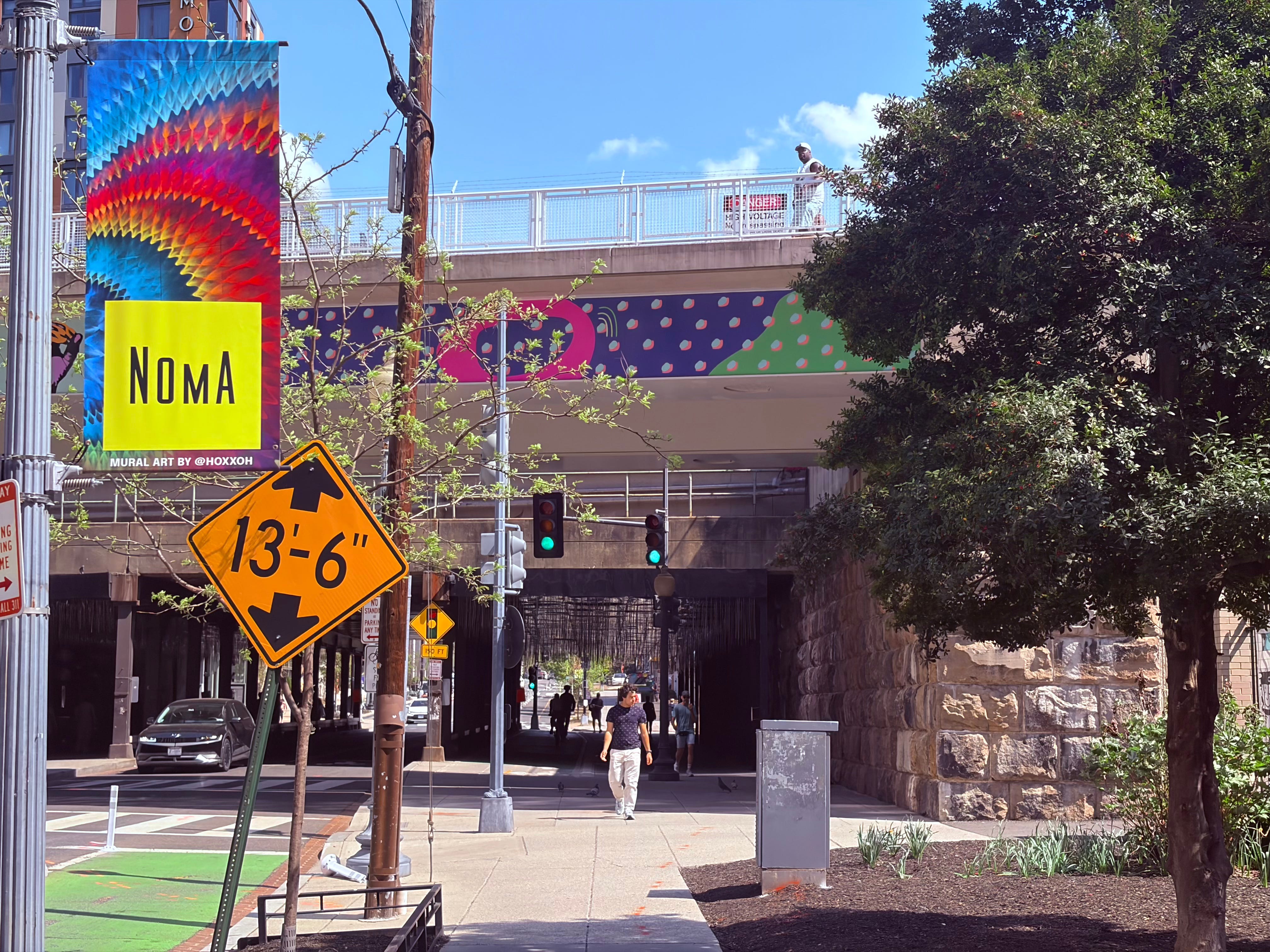
I am always looking at Black people. I will never stop. There is something devotional in it. Witnessing us. Claiming kinship from across the street without a word. It nourishes me in a way I don’t fully have language for, something that lives below analysis, below even love, in the register of recognition. You are here. I am here. We made it this afternoon.
I had been in this city since Wednesday. I had worked. I had been in the streets for something that mattered. I had eaten well and moved through beautiful spaces and spent money, more than I planned, and I will get to that. I had been held on Friday in ways I didn’t know I needed. Now it was Saturday and the train home was coming and I was sitting with all of it, letting it settle, letting the city have its last word, trying to understand what I was carrying and what I would leave behind.
I am a Taurus sun and I spent money on this trip. Real money. More than I planned, and I have been honest with myself about it.
If you know anything about Taurus, and I mean know it the way Black people know astrology, which is to say carried like ancestral knowledge, worn like something passed down, then you understand this placement is not about greed. Taurus is Venus-ruled, fixed, earth. We do not experience the world abstractly. We feel it in the body: the texture of a meal, the quality of rest in a good space, the difference between somewhere merely functional and somewhere beautiful. We insist on the right version of a thing. We will wait for it. We will pay for it. We will not be argued out of our standards by people who have made a spiritual practice of settling.
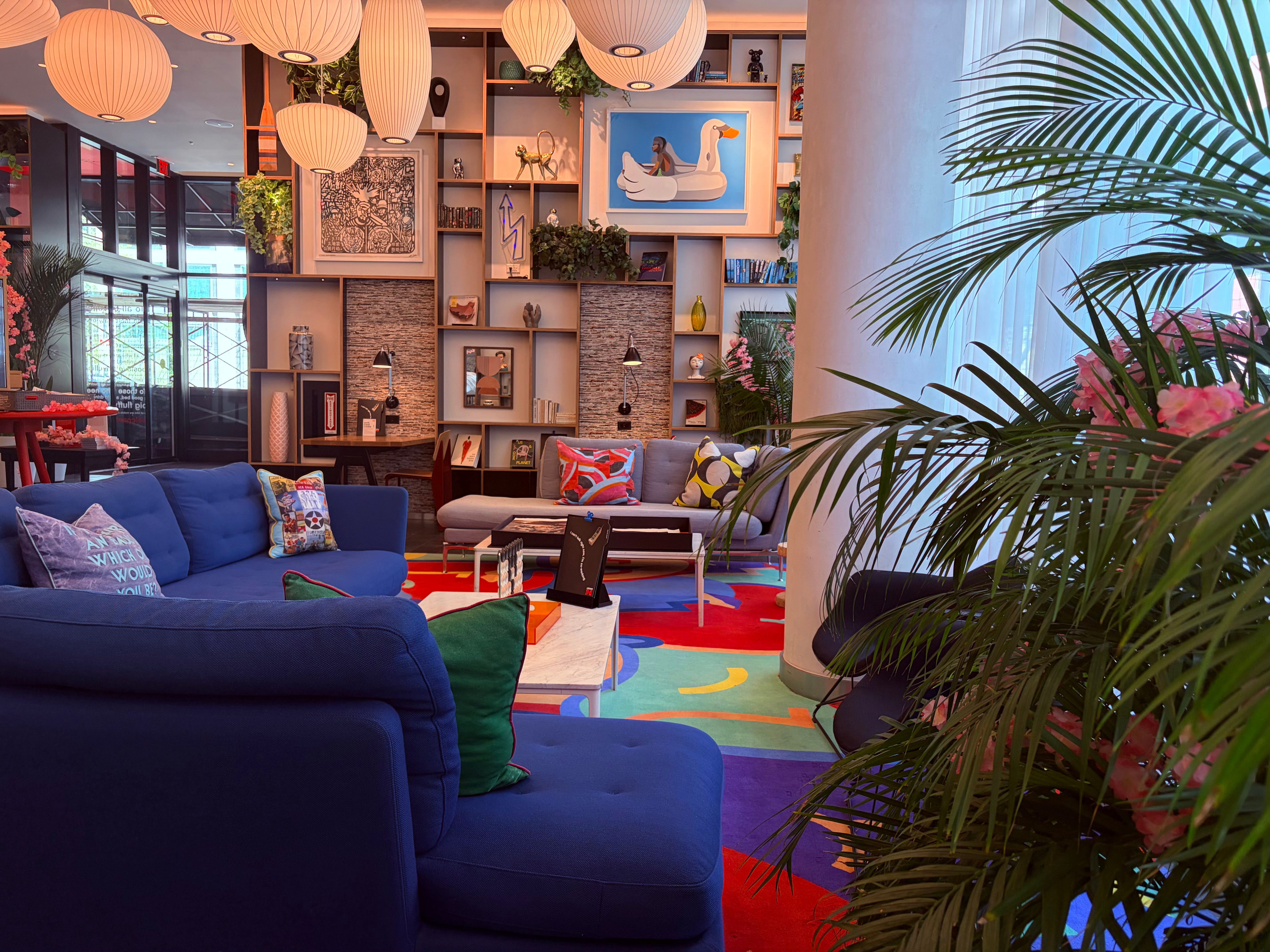
The money I spent built a glorious container of food, rest, space, and experience that allowed me to be in this city rather than just move through it. And for Black people, descendants of those who were not permitted to own or rest or occupy space as anything other than labor, the right to leisure has always been political. The right to pleasure. The right to take up space in a city and be nourished by it rather than depleted. I was resting loudly, in their name, on a Saturday afternoon in the sun.
The hedonism I claim is not the colonial version, the one dressed as selfishness and excess. It is the expansive version, the insistence that my pleasure, my comfort, my beauty matter, not despite what I carry but precisely because of it.
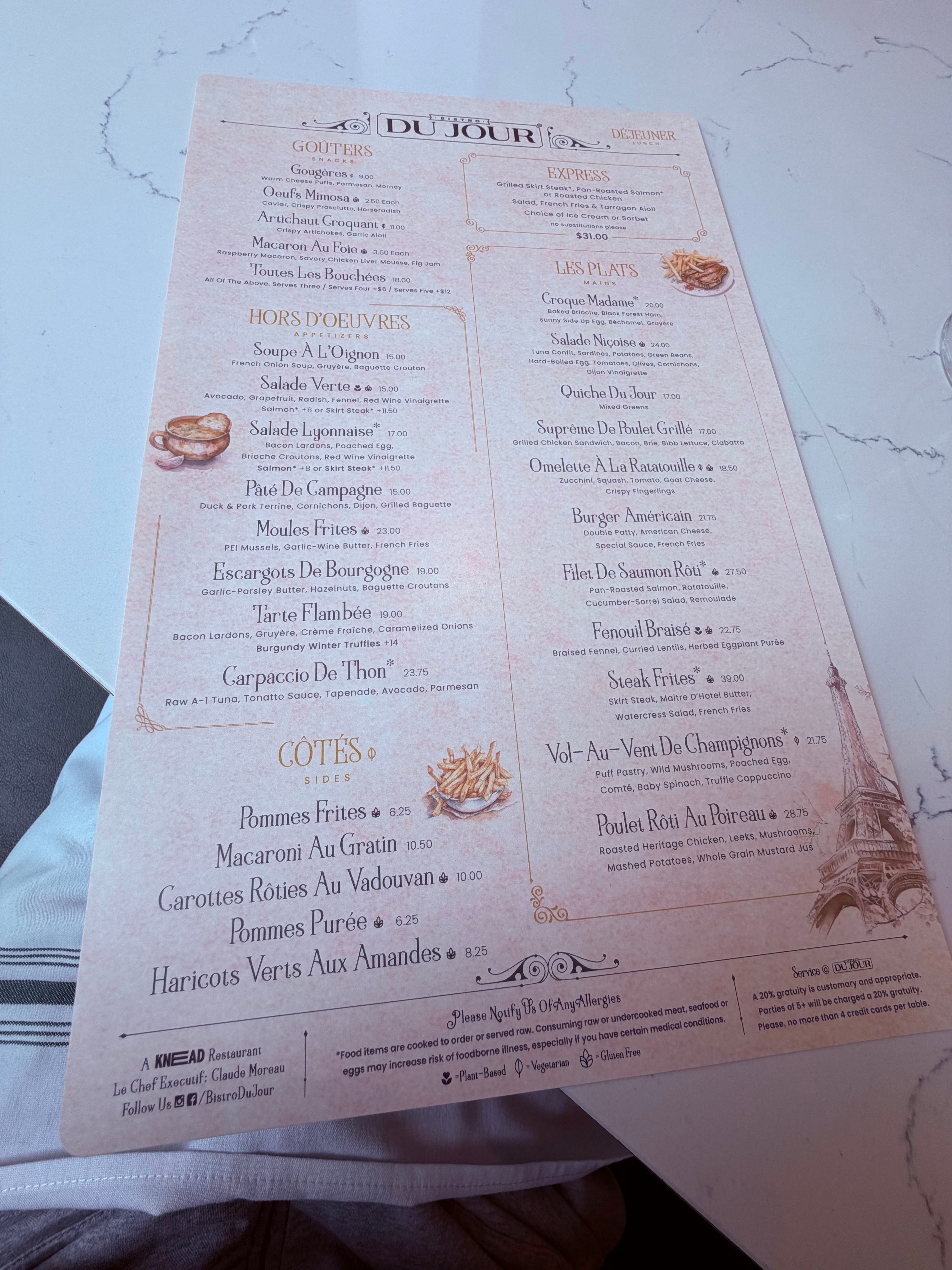
I have not been on my psychiatric medications. I name that plainly because I have been circling it privately and I am tired of circling. I am in the process of moving back toward that structure with intention. In the meantime my coping has lived in cannabis and movement and connection and prayer and pleasure in its many forms. Some of that has been genuinely beautiful. Some of it has been the kind of beautiful that is also a bandage. I am not judging myself for any of it. I am watching it clearly and letting the watching mean something.
The anxiety is real. It shapes things before I am aware it is shaping them like the Black queer spots I knew were in this city and thought about entering and didn’t, across all those days. I knew where they were. I imagined walking in. I let the evenings go differently. Because even in spaces made for us, Black queer people are calculating. Reading the room before we enter it. Measuring whether this particular version of ourselves, this body, this gender, this expression, this desire, will be received or just tolerated. The math is exhausting even when nobody sees you running it.
Next time I want to get closer to the door. That is the whole aspiration. Just closer.
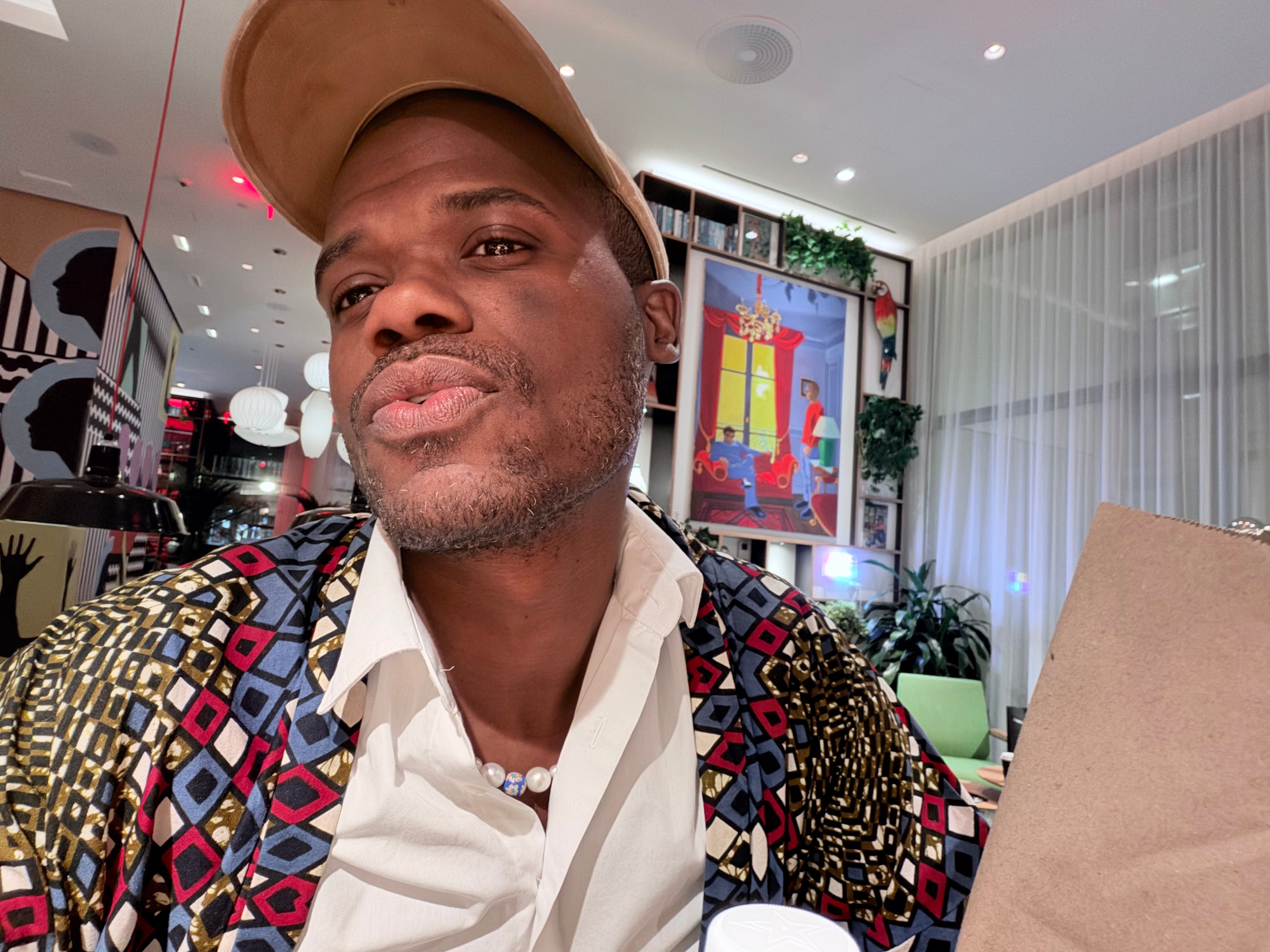
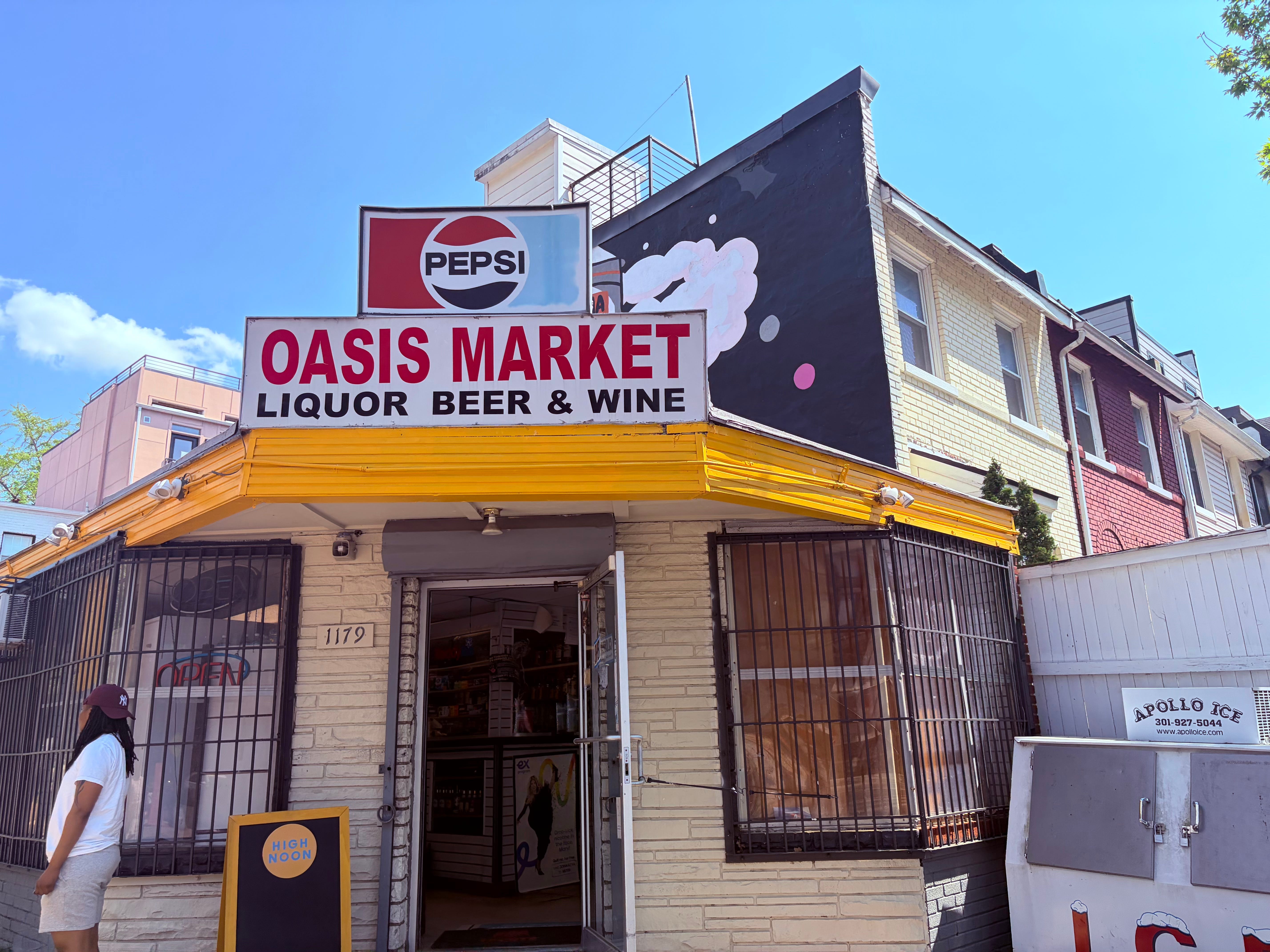
Later that Saturday I walked to Union Market and I want to tell you what I saw.
Erasure with excellent lighting. Buildings placed on top of a neighborhood’s memory like the memory was never there. Rooftops and a Trader Joe’s and people moving through a landscape whose history they were not asked to carry and did not seem to notice they were standing on. Gentrification is neo-colonial logic executed with permits and capital instead of ships. It’s the same displacement, the same violence of declaring that land is improved by the arrival of people who did not build it. When I move through spaces like that I feel something in my body that is not mine alone. A grief that goes all the way back. The repetition of dispossession, dressed in new architectural language, happening again.
I am not outside of it. The comfort I purchased this week is entangled in those very structures. I hold that honestly. I name the violence when I see it. I stay in the contradiction without collapsing it, because collapsing it would be its own kind of lie.
I give thanks for the Black queer femme scholar whose home held the city and neighborhood’s history. Objects, material culture, memory, and lineage arranged on the walls, a whole orientation toward who we are and where we come from, present in the domestic space the way it should be. Who reminded me without making a speech about it. Shout out to Black people who keep the record.
On that bench, before the walk, before Union Market, before the train, I was also sitting with something I have not said publicly before.
I am looking for a job.
For those who know me, that sentence contains a whole story. I have not worked for anyone since 2019. That is not a typo. That is seven years of building, surviving, creating, pivoting, moving across the country and back, building my social enterprise, my practice, my presence in the community. And this happened through an ongoing pandemic, through everything, holding myself together and building something real in the process. I want to honor that before anything else because it is a miracle. Genuinely. To have navigated that much time outside of traditional employment and still be standing, still be building, still be here — that is not a small thing. That is extraordinary.
I am not stopping that work. I am expanding. Creating more stability, more containers, more capacity to show up in full power in multiple directions at once. I want a role where I can bring all of who I am, a Black (a)genderqueer scholar-practitioner, a community builder, someone who thinks in frameworks and feels in frequencies, and be compensated well for it, because I deserve that and I am done shrinking that desire.
What I want more than anything is to be accountable to myself in ways I have not fully been before. I carry real fear around feeling I don’t have the inner wherewithal to sustain the version of myself I’m reaching toward. I know my patterns. I know where I’ve drifted. But the accountability I need is not manufactured through willpower alone. It gets built through community, through love structures, through people who hold you gently toward yourself when the tired parts want to disappear.
So if you know of spaces, organizations, or roles that would be a home for someone like me, holla at scholar. I am ready.
In a few hours I will be on a train back to Philly. What I am carrying is not resolution. The medication conversation is ongoing. The patterns are still being examined. The anxiety did not leave just because the sun was warm and the bench was good and the city was beautiful.
But I was called into this city by a friend who trusted me. I asked my ancestors for permission and they gave it. I put my body in the street on Wednesday for a cause that is older than any of us and belongs to all of us. I was held on Friday evening by a brilliant Black queer femme who met me exactly where I was. I sat in the sun on Saturday and watched my people be alive and that alone was enough to make me go quiet with gratitude.
This, all of it, the organizing and the pleasure and the grief, the intimacy and the trees, the bench and the long train back home — this is the sacred return I did not know I was making until I was already inside it. A return to my voice. To my body in service of something larger than itself. To the understanding that my life is not simply happening but moving, and I am moving with it, in consultation with everything that loves me, toward something I can feel even when I cannot yet fully name it.
I am somebody. Not aspirationally. Factually.
From the pyramid to the beat of my heart, I was made for this, and so were you, and we have work to do together, and it is going to be beautiful.

Notes
* Dr. Hortense Spillers coined pornotroping to describe the othering of Black women and girls’ bodies through the production, reproduction, circulation, and maintenance of myths superimposed onto them. These myths are exotic, erotic, wanton, immoral, pathological and are reified until the myth crowds out the person and begins to function as reality. Dr. Tamura A. Lomax extended and deepened this framework, naming the pornotropic gaze and tracing its determinacy through Black religion and cultural media. What Lomax holds with particular precision is that the gaze does not only arrive from outside, it gets internalized, shaping how Black women and girls see themselves and desire others, intermeshed so completely with what passes for reality that its operations become difficult to name, let alone resist. Yet Lomax insists: resistance is always also operating. Contestation lives alongside internalization. The gaze is hegemonic but never total.
What neither Spillers nor Lomax centered, though their frameworks make it possible, is how the pornotropic gaze extends its reach into Black queer, trans, and gender non-conforming life. Black queer, trans, and GNC people carry their own mythologizing projections: the hyper-sexualized, the deviant, the tragic, the spectacle, the cautionary tale, the fetish object. These superimpositions arrive from the dominant culture and, with painful frequency, from within Black communities themselves where Black queer and trans bodies are simultaneously desired and disavowed, celebrated in certain registers and policed in others. The gaze shape-shifts depending on the body, the gender expression, the sexuality, the skin, but its logic remains the same: to mythologize rather than encounter, to project rather than behold, to consume rather than know.
For Black queer, trans, and GNC people this means navigating multiple overlapping pornotropic logics at once: racial, sexual, gendered, all intermeshed and mutually reinforcing. It means that even within our own desiring imaginations, even in the intimacies we reach for and the media we consume, we are not automatically free of the gaze we have been subject to. The work of disentangling what we actually want from what we have been conditioned to want, and from what we have learned to consume rather than genuinely encounter, is some of the most honest and difficult work available to us. It is also, I would argue, some of the most sacred. To insist on genuine encounter, on beholding rather than projecting, on presence over consumption, is to resist the pornotropic logic at its root. It is to say: we are more than what has been superimposed onto us, and we will desire accordingly.
Go Deeper
For those who want to sit longer with the ideas moving through this piece:
The Fourteenth Amendment and the African American Struggle for Citizenship — Kenneth Oh
Gratuitous Violence — an introduction to Frank B. Wilderson III’s framework
Misogynoir — Professor Moya Bailey on the term she coined and why it matters right now
Race, Class, and Politics in the Cappuccino City — Derek S. Hyra on DC’s history of gentrification, race, and class
The Battle of Adwa: Reflections on Ethiopia’s Historic Victory Against European Colonialism — on Ethiopia’s singular history of resistance
I don't know how to articulate how this made me feel, such a beautiful and real reflection and offering. Looking forward to reading the resources for deeper learning. Thank you for all of it!
Delicious words. I appreciate you Hakim. Thank you.